A surgical disposable face mask is not automatically a replacement for a 3m nose mask 900 4gv because the two products may serve different hazards. By checking the exact 3M model, the airborne contaminant, the task and the mask’s approval marking, you can decide when a surgical mask is suitable and when a certified respirator is necessary.
Key takeaways
- Treat “900 4GV” as a marking to verify, not a protection class.
- Use surgical masks for droplet control when a tight respirator seal is unnecessary.
- Choose protection from the task hazard, not the worker’s job title.
- Approve a substitute only after checking its standard, model, and approval details.
Identify what the 3M 900 4GV marking actually refers to
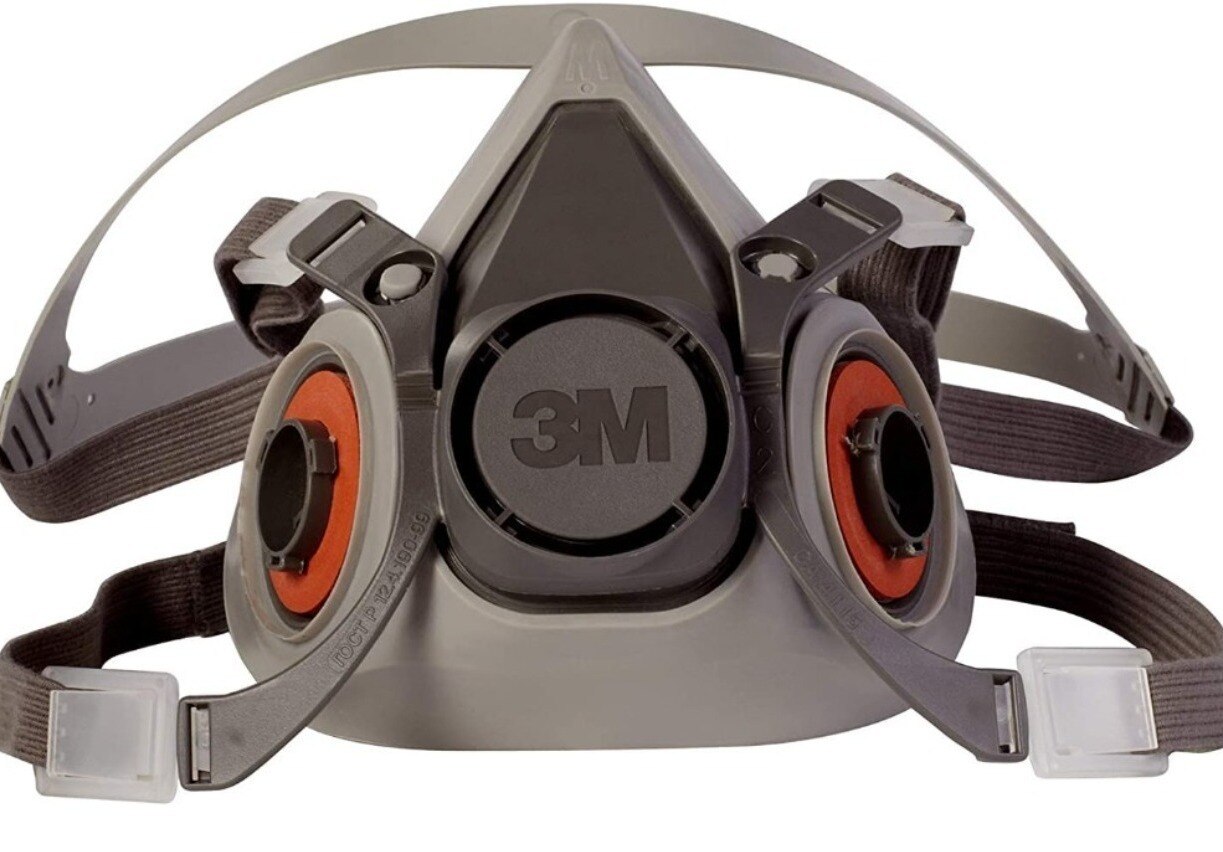
“900 4GV” is not, by itself, a protection class. The name 3m nose mask 900 4gv does not prove that the product is a particulate respirator, a medical mask, or an approved model.
Do not assume it protects against dust, fine particles, mist, fumes, microorganisms, or splash until the packaging identifies the standard and intended use.
Verify the product before comparing it with a surgical mask:
1. Read the box and respirator: confirm the complete model number, manufacturer name, disposable or reusable status, and intended contaminant.
2. Find the applicable approval: look for a named standard such as EN 149, N95 approval documentation, or another national certification. “Surgical disposable face mask” describes a medical-mask purpose, not a respirator rating.
3. Match the documents: compare the package marking with the manufacturer’s technical data sheet, declaration, approval number, or registration record. Confirm that the document describes the exact model, not a similar-looking 3M product.
4. Reject unclear claims: “dust mask,” “nose mask,” or “4GV” alone does not establish filtration performance, face-seal performance, inward-leakage limits, or fit-test requirements.
If the verified product is a particulate respirator, a loose surgical mask is not an equivalent replacement. A surgical mask suits source control or limited splash protection when your hazard assessment shows that inhalation protection is unnecessary.
A surgical mask controls droplets but does not seal like a respirator
A surgical disposable face mask controls droplets and offers limited splash protection, but its loose edges do not seal against your face. Its bacterial-filtration or submicron-particulate test result therefore cannot be treated as respirator protection.
| Product | Filtration tests | Face seal and inward leakage | Fit testing and certification |
|---|---|---|---|
| Surgical disposable face mask | ASTM F2100 measures bacterial filtration efficiency, submicron particulate filtration efficiency, differential pressure, splash resistance and flammability. EN 14683 uses medical-mask performance tests. | No designed seal, assigned protection factor or controlled inward-leakage rating. Air enters around gaps. | No respirator user-seal check or fit test. Certification identifies a medical device, not a NIOSH-approved respirator. |
| Particulate respirator | The applicable standard evaluates particle-filtering performance for a defined class, such as NIOSH N95 or EN 149 FFP2. | The cup or filtering facepiece must seal well enough to limit inward leakage. | A tight-fitting model requires medical evaluation, a user seal check and fit testing before use and at least annually. Repeat testing after a change in model, style, size or facial characteristics. |
Do not approve a surgical mask because it covers the same nose and mouth area as a respirator. Use it as a substitute only when the hazard assessment finds no airborne dust, mist, fumes, bioaerosol or other inhalation hazard requiring respiratory protection, and the purpose is source, splash or basic contamination control.
Otherwise, verify a replacement respirator against the required standard and protection level.
Which workers can use a surgical mask for their actual task
A surgical mask is suitable for workers whose actual task has no hazardous airborne-particle exposure and instead requires source control, hygiene, or fluid splash protection. Visitors, reception staff, office staff, and workers handling uncontaminated packaged goods can use one when the risk assessment supports that choice.
| Worker or task | Surgical mask decision | Condition |
|---|---|---|
| Visitors | Suitable | No entry into areas with airborne dust, mist, fumes, or infectious aerosol hazards |
| Office and reception staff | Suitable | Work remains outside contaminated processes and the mask provides source control |
| Packaging workers | Suitable | Handle clean, sealed goods without exposure to process particles |
| Healthcare staff on non-aerosol duties | Often suitable | Use for source control or splash protection when no airborne-transmission hazard exists |
| Low-exposure workers | Not automatically suitable | Confirm expected or measured exposure against the occupational exposure limit |
“Low dust” is not proof of safety. Dry sweeping, sanding, grinding, cutting, drilling, powder handling, and similar work require a hazard assessment; a surgical mask for workers in these tasks does not replace a particulate respirator.
A surgical mask has no assigned OSHA respirator protection factor and does not receive fit testing or a user-seal check. Healthcare staff performing aerosol-generating procedures, or caring for patients with airborne-transmission hazards, need the respiratory protection specified by their employer’s program, which may include a fit-tested, approved respirator.
Use the task and hazard—not the job title—to choose the mask
Choose the mask for the contaminant and task, not for whether the worker is in a factory, warehouse, clinic, laboratory or maintenance area. A surgical disposable face mask is suitable only when respiratory protection from airborne particles is not required.
| Task or hazard | Select | Do not substitute with a surgical mask for workers |
|---|---|---|
| Factory grinding, sanding or handling dusty material | A particulate respirator selected for the measured dust hazard | A loose-fitting mask; dust can enter around its edges |
| Warehouse picking in a clean area or visitor access | A surgical mask for source control, or no mask when the risk assessment requires neither | A surgical mask where stored materials release dust |
| Construction cutting, drilling or sweeping | A properly classified particulate respirator | A surgical mask; it does not control inhaled construction dust |
| Clinic work involving blood or liquid splash, without aerosol-generating procedures | A fluid-resistant surgical mask with eye protection | A surgical mask alone when airborne-transmission precautions apply |
| Laboratory handling of infectious aerosols | A NIOSH-approved respirator or protection specified by the laboratory programme | A surgical disposable face mask |
| Maintenance involving solvent vapour, welding fume or chemical mist | The protection matched to the contaminant: gas/vapour cartridges, particulate filters or both | A surgical mask; filtration does not remove vapour |
Use the surgical option for source control, basic contamination control or splash protection only after the hazard assessment rules out inhalation risk. Its filtration percentage does not provide an assigned respirator protection factor, and its loose seal is not fit-tested. A broken seal or changed task requires a new assessment.
Verify the approval marking before you approve a substitute
Approve a substitute only after matching the package marking to the hazard assessment. The name 3M Nose Mask 900 4GV alone does not prove a surgical-mask standard, respirator class, or approval status.
1. ASTM F2100 identifies medical face-mask performance levels. Check the stated level and results for bacterial filtration efficiency, submicron particulate filtration efficiency, differential pressure, splash resistance, and flammability. It does not prove a face seal or NIOSH respirator approval.
2. EN 14683 identifies medical masks as Type I, Type II, or Type IIR. Type IIR adds resistance to blood and body-fluid splashes; none of these types replaces a tight-fitting particulate respirator for inhalation hazards.
3. BIS documentation should name IS 16289, show the BIS Standard Mark and licence number, and match the manufacturer and product model. Check the licence on the BIS database rather than accepting a generic “BIS approved” statement.
4. N95 means a NIOSH filtration class, not approval by itself. Look for “NIOSH,” the exact model, and a TC approval number such as TC-84A-xxxx; verify it in the NIOSH Certified Equipment List.
5. EN 149 respirators carry an FFP1, FFP2, or FFP3 classification and the required CE and notified-body markings. Confirm the declaration of conformity matches that model.
Prestige Industrial Suppliers can help compare the exact package, datasheet, declaration, certificate, and batch details before you approve a substitute. If dust, mist, fumes, or bioaerosols require respiratory protection, do not accept a surgical mask.
Related product
 | RESPIRATOR Surgical Mask and Cap. These are made from material which is light weight and has excellent water tolerance and air permeability. View product → |
Frequently asked questions
What does the 3M 900 4GV marking mean?
“900 4GV” is not, by itself, a protection class. Check the product packaging, model designation, applicable standard, and approval details before identifying the mask.
Can a surgical mask replace a particulate respirator?
No. A surgical mask controls droplets and limits contamination but does not seal against the face like a particulate respirator. Use a respirator when the task requires protection from airborne particles.
Which workers can use a surgical mask?
Workers can use a surgical mask when their task needs droplet or splash control and does not expose them to hazardous airborne particles, gases, vapours, or a tight-face-seal requirement.
How should you choose a mask for workers?
Assess the actual task, hazard, exposure route, concentration, and required protection. Do not approve a mask solely because of the worker’s job title.
What should you verify before approving a substitute mask?
Check the sealed pack for the exact model, manufacturer, applicable standard, approval or registration information, size, intended use, and user instructions. Reject products with missing or inconsistent markings.